

 African Groceries
 Beauty & Care
 Beverages
 Home & Daily Life
 Other
Other Snacks & Candy
 Tobacco & Vape
Ingredients
10 essential African spices to keep in your pantry
From bird's-eye chilli to ras-el-hanout via néré: the short list of spices that change everything, and why you'll find them at NKOH SHOP.
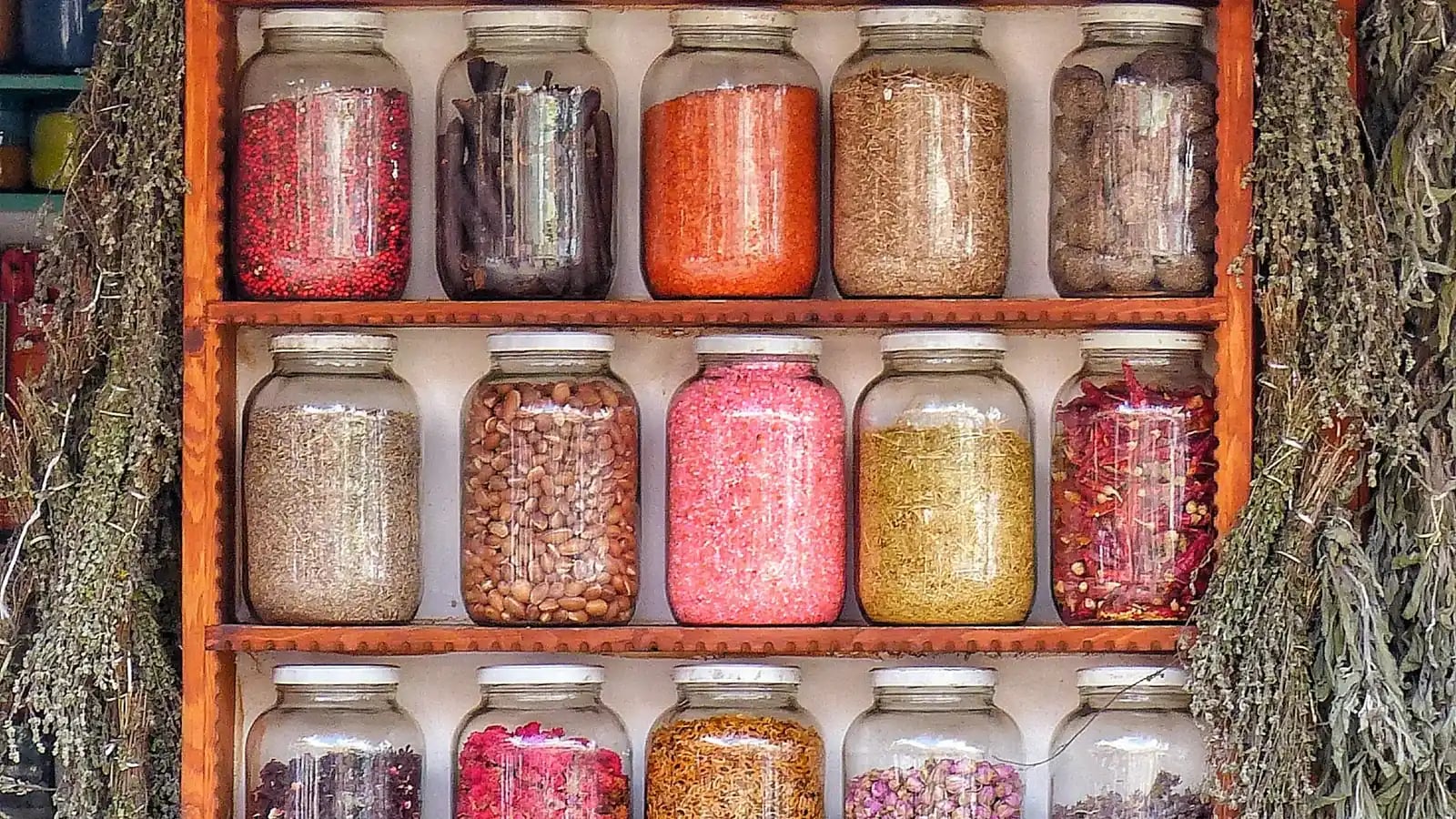
African cooking draws on a wide range of spices and aromatic ingredients. Here is a practical selection of ten spices and blends listed by NKOH SHOP; check each product page for current availability and suggested uses.
Why spices matter so much in African cooking
From Dakar to Yaoundé, Lagos to Addis Ababa, the continent's cooking shares one instinct: spices don't decorate, they build. Where Western cooking adds salt and pepper, African cooking lays down an aromatic foundation — a specific chilli, a smoked root, a pounded seed — that becomes the signature of the dish.
Having a well-stocked pantry means you can improvise a mafé on Sunday evening, a chicken DG on Wednesday lunch, or a thiéboudienne when family drops in unannounced. The ten below cover 80% of the recipes you'll find in the Belgian diaspora.
1. Piment cabri
Piment cabri is generally a habanero-type chilli (Capsicum chinense). Highly aromatic and hot, it is used fresh or processed in an amount suited to the cook's tolerance. It should not be confused with bird's-eye chilli, which is generally associated with Capsicum frutescens.
Nkoh tip: never add it at the start of cooking in a tomato sauce — it turns bitter. Add 10 minutes before serving.
2. Fresh ginger
Indispensable for ginger drink (the beverage, not the spice), braised chicken, fish marinades and clean bissap. Fresh ginger has a citrus edge that powder never does. Grate or pound it with a little salt to release its oils.
3. Néré (fermented seeds)
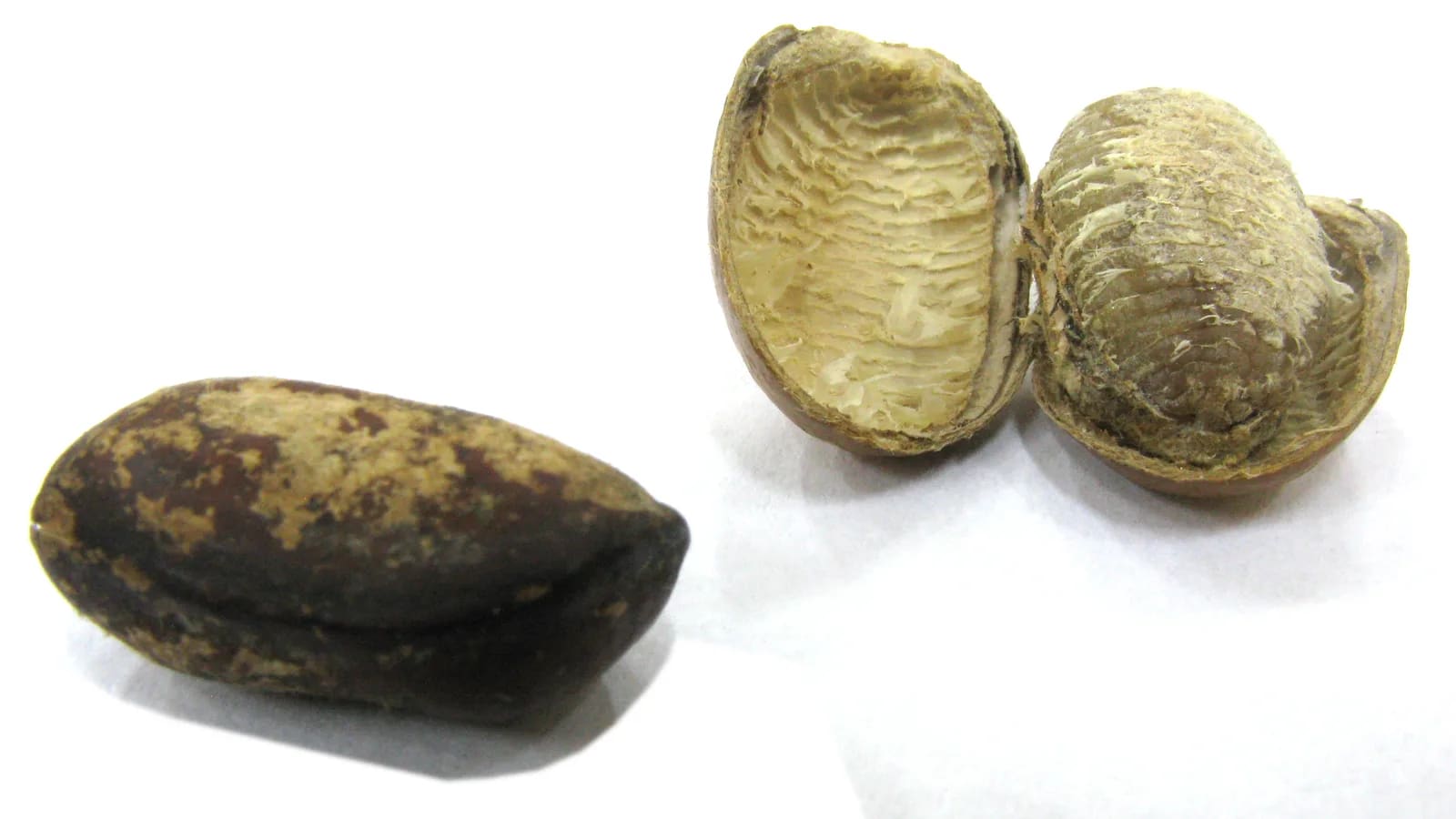
Also called soumbala in Burkina, dawadawa in Ghana, iru in Nigeria. These are fermented seeds with a deep umami flavour, almost cheese-like. No real okra sauce in Mali without néré, no okazi in Cameroon without it. It's the spice our West African customers ask for most when they land in Brussels.
4. Ras-el-hanout
"The best of the shop" in Arabic — a Moroccan blend of 12 to 30 spices (cumin, cinnamon, cardamom, ginger, long pepper, etc.). It's the pillar of tagines, rich couscous, chicken with olives. Every family has its proportion; we work with a blend dosed for Belgium, gentler than in Morocco.
5. Ground Cayenne pepper
The all-rounder: less violent than bird's-eye, more consistent than fresh chillies. It's what colours and warms jollof rice, grilled fish, savoury beignets. Keep in an airtight jar — it loses its aromas quickly in light.
6. Grains of paradise (maniguette)
A cardamom cousin grown in West Africa, with a peppery-citrus-floral flavour. Essential for grilled Ivorian fish and certain Cameroonian marinades. If you can't find it, double the green cardamom — not the same, but it gets close.
7. Fresh or ground turmeric
Not just Indian: turmeric colours vegetable rice, perfumes white coconut-milk sauces, adds an earthy note to marinades. The fresh version (rhizome) is three times more powerful than powder.
8. Penja pepper (Cameroon)
The only African pepper to have obtained a Protected Geographical Indication (in 2013). Grown on volcanic soil in the Moungo plain of Cameroon. It has a warmer, more penetrating flavour than Indian black pepper. Use it on white meats and delicate fish.
9. Maggi cube (yes, it's a spice)
Debatable — technically a bouillon — but no modern West African kitchen runs without it. Shrimp, chicken, vegetable, tomato: the cube brings salt, glutamate and background colour. We stock the Maggi, Jumbo, Adja and Tem-Tem varieties.
Nutrition note: one cube = roughly 1.5 g of salt. If you use one, cut salt elsewhere in the recipe.
10. Dried leaves: okazi, bissap, sorrel
Not exactly spices, but we shelve them together: these dried leaves (sometimes pounded) give body to sauces. Okazi for the eponymous sauce in Cameroon, bissap (hibiscus) for the sweet red drink and some sweet-and-sour sauces, Guinea sorrel in stocks.
Where to buy these spices in Belgium
Three options, in order of convenience:
- Neighbourhood African shops in Matongé (Brussels), Antwerp or Liège — limited choice, irregular hours, but a family feel.
- Ethnic markets (Anneessens Square in Brussels on Wednesdays, for example) — good for fresh produce, less so for pounded items.
- The NKOH SHOP online store — we carry the full base pantry, delivered in Belgium — the lead time depends on the destination and the shipping method chosen.
Our dedicated section: African spices and condiments. You'll find the cult brands (Maggi, Jumbo, Adja, Nina, etc.) and the rarer spices that Belgian supermarkets never carry.
How to store your spices properly
Spices are living: they lose their essential oils to heat, light and moisture. Four rules:
- Opaque jars or stored away from light (closed cupboard).
- Not above the oven or stove — heat kills aromas within a few months.
- Label with opening date — ground spices lose 50% of their potency after 12 months.
- Grind progressively what can be kept whole (peppers, cardamom, néré) rather than buying pre-ground.
FAQ — Common questions about African spices
What's the difference between bird's-eye chilli and habanero?
“Piment cabri” generally refers to a habanero-type chilli and is therefore close to Capsicum chinense. Commercial and vernacular names vary by country, so always check the species or variety stated on the label.
Is ras-el-hanout halal?
Yes, it's a purely plant-based blend. Still check the manufacturer's ingredient list — some industrial brands add aromas that may contain alcohol. Our spice blends contain plant ingredients only — see each product page for the full composition.
Can néré be substituted?
Difficult, because it's a fermentation. As a fallback, a mix of dark soy sauce + a little miso paste can approach the umami, but the characteristic smell will be missing. Better to order: we keep it in stock permanently in 200 g jars.
How long does opened ground spice last?
6 to 12 months for optimal aromas, up to 24 months to remain edible. Beyond that it won't make you sick, just bland.
Summary
Ten spices to unlock 80% of African cooking. If you only had to keep three to start: bird's-eye chilli, fresh ginger and a Maggi cube. With those, you can already make sauce rice, braised chicken, fish marinade and ginger drink.
To go further, we offer "African spice" discovery kits that bundle the essentials in small quantities — perfect for testing before committing to large formats.