

 African Groceries
 Beauty & Care
 Beverages
 Home & Daily Life
 Other
Other Snacks & Candy
 Tobacco & Vape
Guides
African grocery in Belgium — 7 ingredients you can't find in supermarkets
From fumbwa to okazi leaves, seven specialised ingredients, their uses and ways to find them in Belgium.
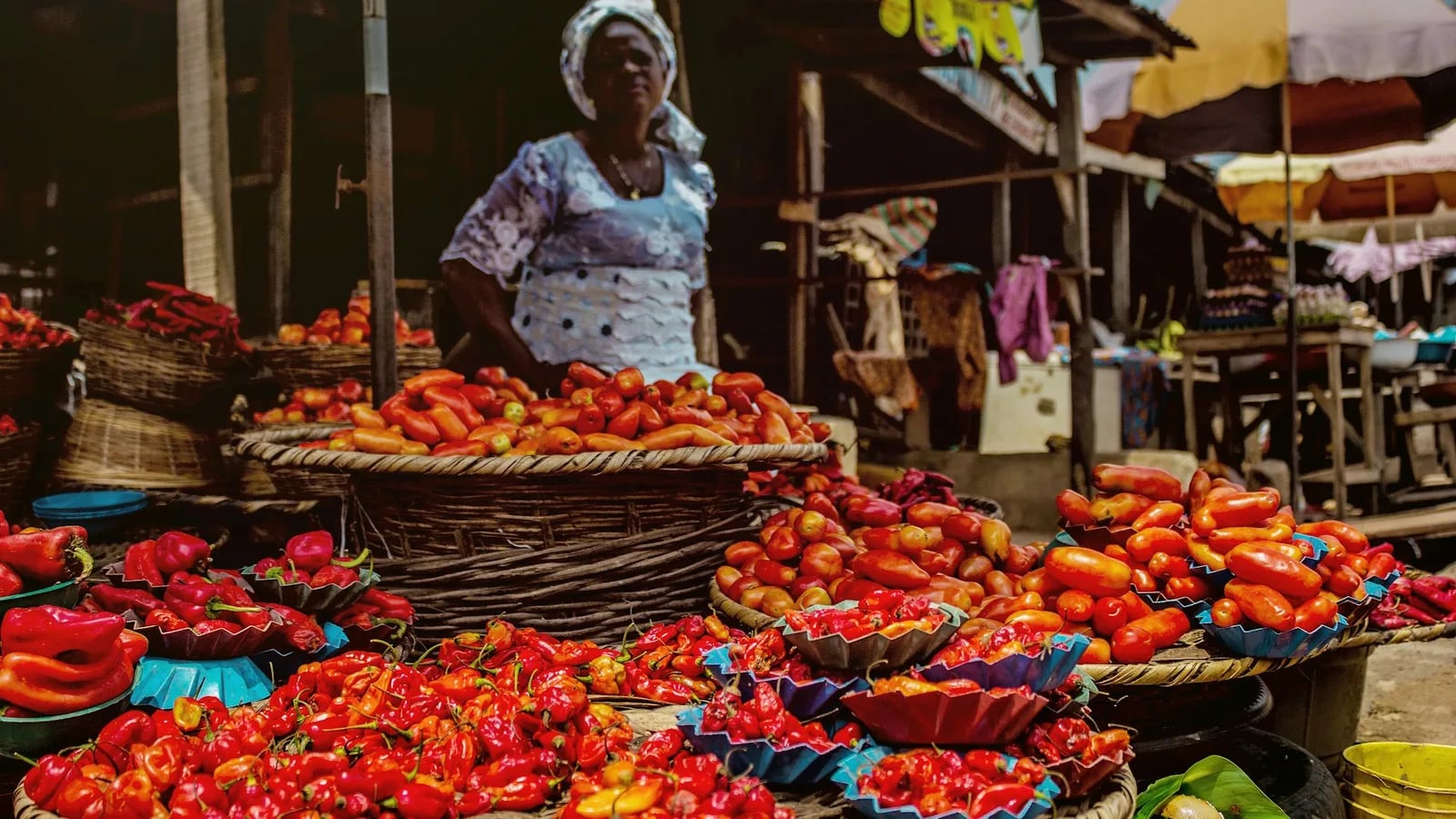
Belgian supermarket “world food” aisles do not always cover specialised ingredients from Central and West Africa. Here are 7 useful ingredients, how to use them and where to look for them in Belgium.
Why Belgian supermarkets don't stock these products
It's not a demand problem — the demand is real. It's a combination of three things:
- Import logistics: most of these products come from West or Central Africa via Rotterdam/Antwerp, sometimes through short circuits that don't interest the big chains' purchasing departments.
- Slow turnover per SKU: supermarkets want products that move within four weeks. Néré, okazi and fumbwa aren't weekly purchases.
- Unfamiliar assortment: buyers don't know sub-Saharan African cuisine — so they don't know what to source.
Hence the value of a specialised online African grocery like NKOH SHOP, which can carry hundreds of medium-rotation SKUs.
1. Fumbwa (dried Congolese leaves)
Leaves of Gnetum africanum, dried and finely chopped. This is the base of Congolese fumbwa sauce, simmered with ground peanuts, smoked fish and cured meat. No Belgian supermarket carries it. Shelf life: 12 months in a sealed bag.
How to use: soak for 30 minutes in lukewarm water, drain, add to a tomato-onion-peanut base, simmer for 40 minutes.
2. Okazi (Cameroonian leaves)
A botanical cousin of fumbwa, more popular in Cameroon (where it's also called eru) than in Congo. Same Gnetum leaves, but a different preparation: it's combined with watermelon leaves (waterleaf), meat and stockfish to make South-West Cameroon's eru sauce. Delicious, and impossible to find outside specialised shops.
3. Néré (soumbala, dawadawa, iru)
Fermented néré seeds (Parkia biglobosa) with a powerful smell and deep umami flavour — close to miso, but earthier. Essential in Malian okra sauces, West African soups, and traditional Ivorian cooking. You won't find it on supermarket shelves because the smell puts off buyers who aren't used to it.
We stock it in 200 g jars — use one teaspoon per pot, no more, or it will overwhelm everything else.
4. Whole smoked fish
Capitaine, machoiron, catfish, tilapia — wood-smoked in West Africa, exported whole. This is the aromatic signature of West African cooking: it gives sauces their deep base. Crumble it before adding it halfway through cooking, or leave it whole in the broth.
Smoked capitaine is mainly sold by specialist shops. Check current availability in the dried and smoked fish section.
5. Pure (unsweetened) peanut paste
"But Delhaize sells peanut butter," people often say. No, that's not the same thing. Western peanut butter usually contains sugar, palm oil and stabilisers. To make a mafé or a Cameroonian peanut sauce, you need 100% pure peanut paste with nothing added.
Trusted brands: Dakatine (Senegal), Mamie Coco (Cameroon), Nina (Ivory Coast). All available on our site.
6. Senegalese broken rice
The rice for thiéboudienne. Grains broken into small pieces during milling — quick cooking time and a "sticky-yet-separate" texture that absorbs sauce beautifully. Nothing to do with basmati, Thai jasmine, or Carrefour's long-grain rice. Once you've tasted thieb with broken rice, you don't go back.
We stock it in 5 kg bags — that's what families use, because it goes fast when you serve it properly.
7. Red palm oil (dendê)
Unrefined palm oil, orange-red, with a powerful flavour — not the neutral white kind in industrial biscuits. It's what colours and flavours Congolese moambé, several Nigerian dishes, and many West African sauces. Use sparingly: the flavour is intense.
Buying tip: check the origin, ingredients and any certification directly on the product page or label.
How to order all of these online
These products are listed in the NKOH SHOP catalogue, subject to the stock shown when you order:
- 1,600+ SKUs in the catalogue
- Delivery in Belgium, lead time depending on destination and shipping method
- Shipping and any free-delivery threshold depend on destination and order value, as stated on the Delivery page
- 14-day withdrawal period for eligible products; exceptions and costs are detailed in the Terms and Conditions
The reference brands (Maggi, Jumbo, Adja, Tem-Tem, Nina, Mamie Coco, Dakatine) are available in family sizes and small formats for trying. Browse our brands →
What about fresh produce?
Good news: we also cover the fresh products you can't find in Belgian supermarkets:
- Fresh cassava, plantain, yam, taro
- African vegetables: long aubergine, fresh okra, African chillies, fresh ginger
- Dried/smoked fish when in stock
Fresh-product availability varies with deliveries. Check the product page and the delivery estimate shown when ordering.
FAQ — Buying African in Belgium
Are there other online African grocers in Belgium?
A few, yes — mostly in Brussels. NKOH SHOP stands out with a catalogue of more than 1,600 references with delivery in Belgium, West Flanders and rural Wallonia included.
Do you sell halal products?
Yes — most of our dry products (spices, starches, canned goods, snacks) contain no ingredient of animal origin. For the rare meat products we stock (mainly smoked fish), we indicate halal compliance on the product page.
How long does delivery take in Flanders/Wallonia?
Timing depends on destination, stock and delivery method. The applicable estimate is the one shown when ordering.
Can I order for an event (wedding, baptism, party)?
Use the contact form to confirm available quantities, formats and timing before placing a large order.
Which payment methods do you accept?
Secure checkout currently accepts Visa, Mastercard, American Express, Bancontact, Apple Pay and Google Pay. The methods actually available are shown at checkout.
Summary
Seven ingredients, seven signatures of sub-Saharan African cooking, seven products that no Belgian supermarket carries. If you cook African food regularly, they deserve a permanent place in your pantry.
We've made it easy for you: everything is in our online catalogue, delivered under our current shipping terms. And if there's a product you're missing that we don't carry yet, let us know — we systematically try to source new references.